A softer, cleaner-feeling water experience.
Reduced chemical intensity can support a more refined sensory profile: less harsh odor, less irritation, and water that feels fresh rather than overcorrected.
Luxury aquatic environments
HydroLoop adds a quiet mechanical treatment layer for pools, spas, hot tubs, fountains, and indoor aquatic spaces, helping hospitality teams preserve the clarity, comfort, asset care, and consistency that guests remember long after they leave the water.
Guests do not need to understand the system to feel the standard. Clear water, clean air, softer skin feel, and an absence of harsh chemical cues all shape whether a pool or spa feels effortless, cared for, and worthy of the setting.
Reduced chemical intensity can support a more refined sensory profile: less harsh odor, less irritation, and water that feels fresh rather than overcorrected.
HydroLoop is positioned as a supporting treatment layer for the whole aquatic environment, connecting visible clarity with contaminant disruption, mineral management, and day-to-day stewardship.
In a luxury setting, pools, spas, and fountains are part of the property’s promise. A layered water-management posture helps the team preserve clarity, comfort, and trust before any guest has a reason to question the standard.
HydroLoop uses controlled pressure changes in moving water to create microscopic cavitation events. As those bubbles collapse, localized energy supports contaminant disruption, water clarity, and reduced dependence on chemical adjustment alone.
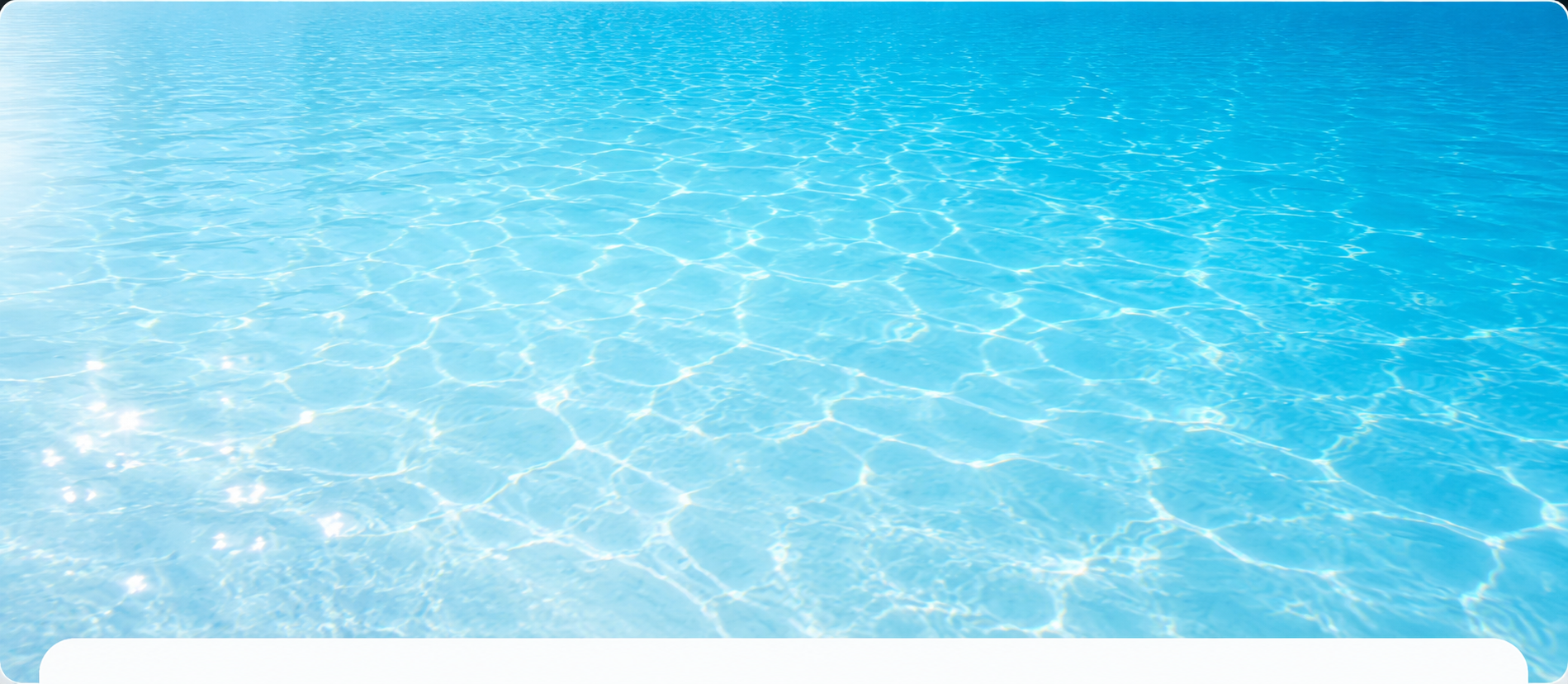
The guest should only notice the result: water that looks, smells, and feels better. The treatment layer does its work out of view.
The strongest case is not one technical claim. It is the combined effect of better-feeling water, lower chemical dependence, easier stewardship, and stronger protection for the assets guests see and staff maintain.
Clear water, reduced harshness, and a calmer sensory environment help the space feel intentional, fresh, and comfortably premium.
Mineral management, corrosion awareness, and treatment consistency help protect heaters, metals, masonry, tile, and the surrounding surfaces that quietly signal quality.
A mechanical layer gives engineering teams more support for maintaining clarity and treatment performance through changing bather loads, weather, and peak-use periods.
Layered stewardship matters most in the water spaces guests linger around: warm, visible, sensory environments where consistency and confidence carry real weight.
HydroLoop belongs in the spaces where aquatic quality is highly visible to guests, demanding for staff, and expensive to neglect.
Executive evaluation
For a hospitality operator, the useful lens is simple: guest comfort, staff workflow, asset protection, environmental stewardship, and confidence in the daily standard. HydroLoop is designed to make that standard easier to sustain.